Field-Based Learning and International Collaboration between Kasetsart University and Saga University
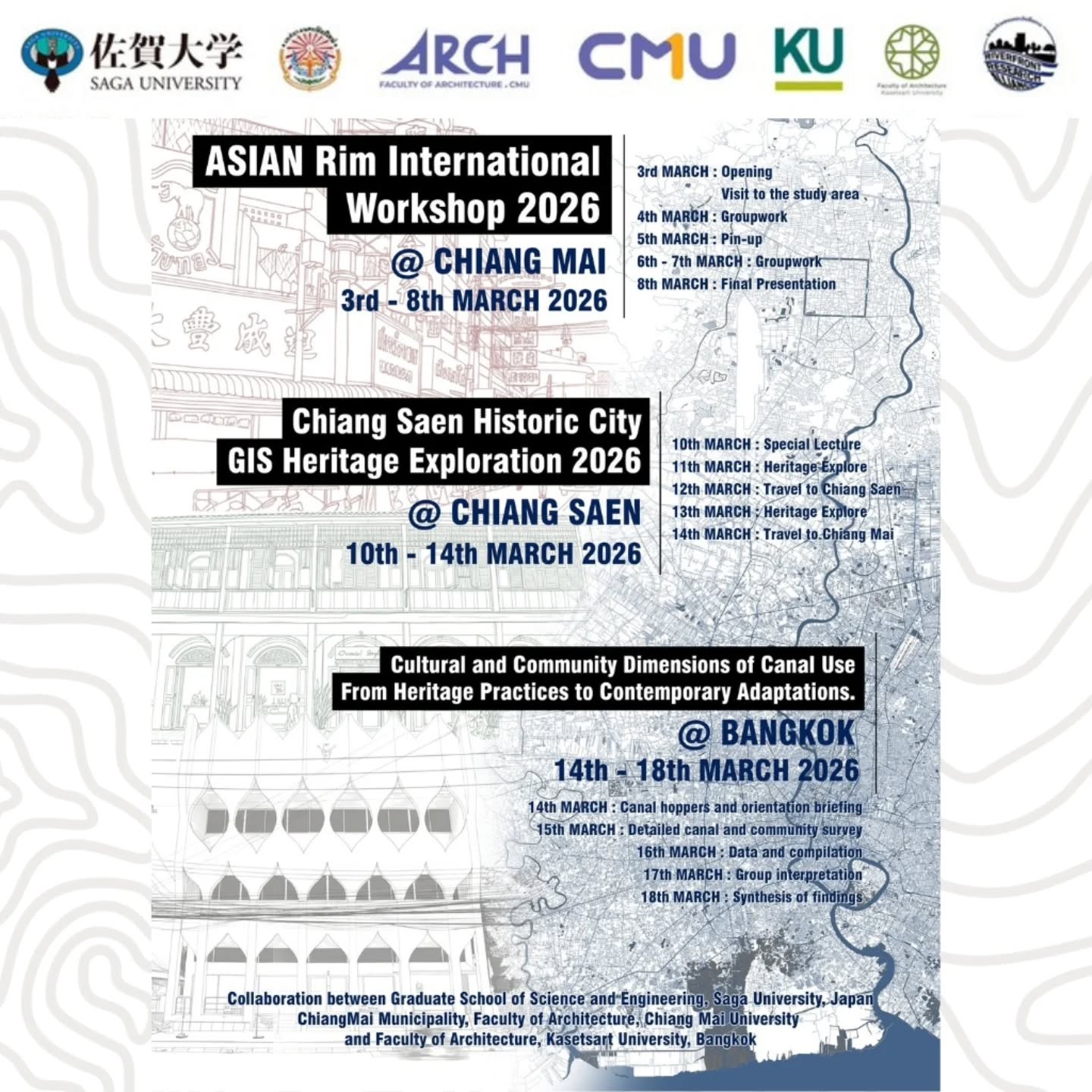
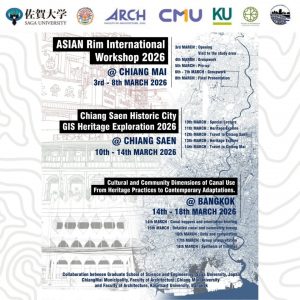
Kasetsart Architecture and Built Environment was pleased to welcome Prof.Nobuo Mishima and a group of students from Saga University for a collaborative academic visit and workshop titled “Cultural and Community Dimensions of Canal Use: From Heritage Practices to Contemporary Adaptations,” held during 14–19 March 2026. The program was designed as an intensive platform for experiential learning, bringing together diverse academic backgrounds to explore the dynamic relationship between water, communities, and cultural landscapes.
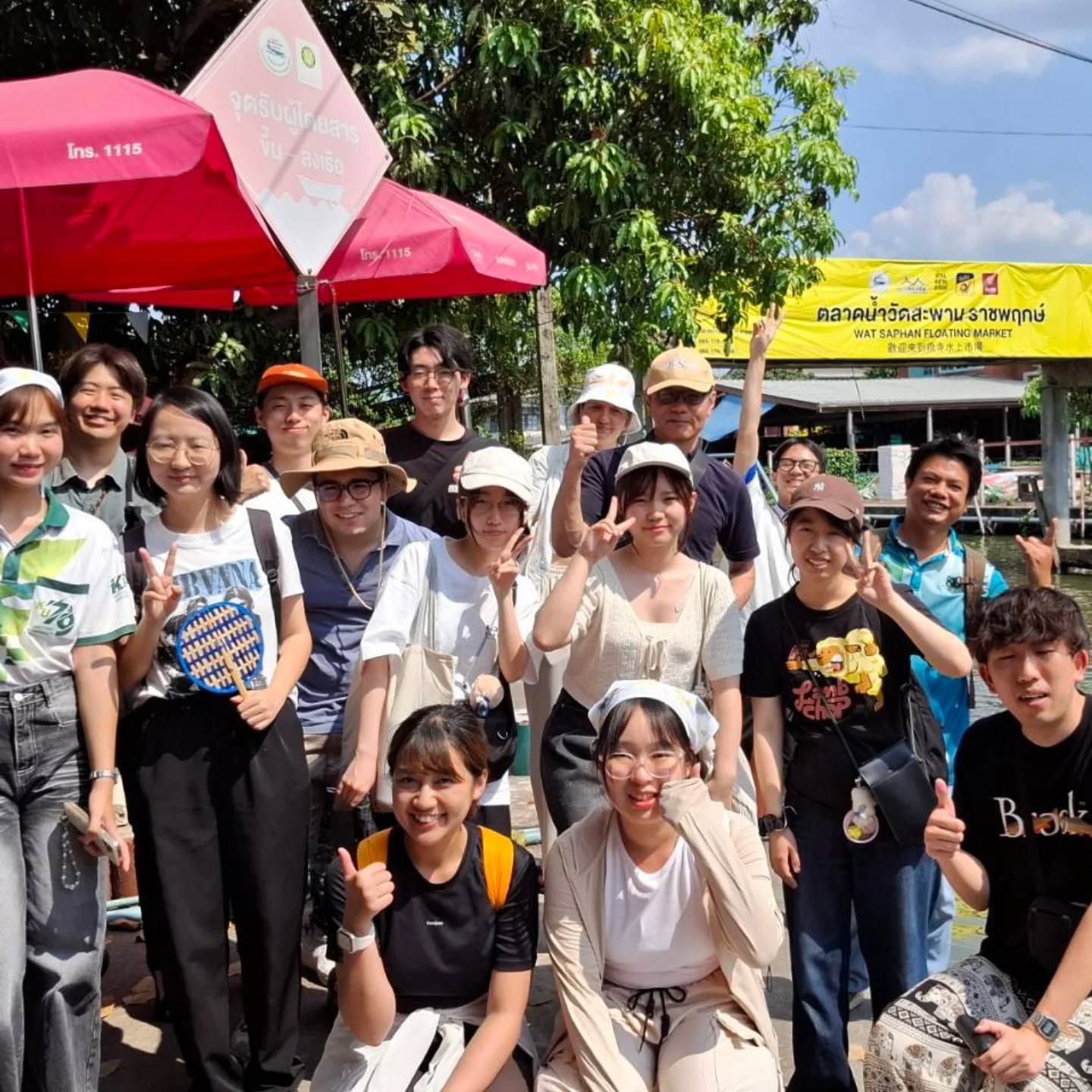
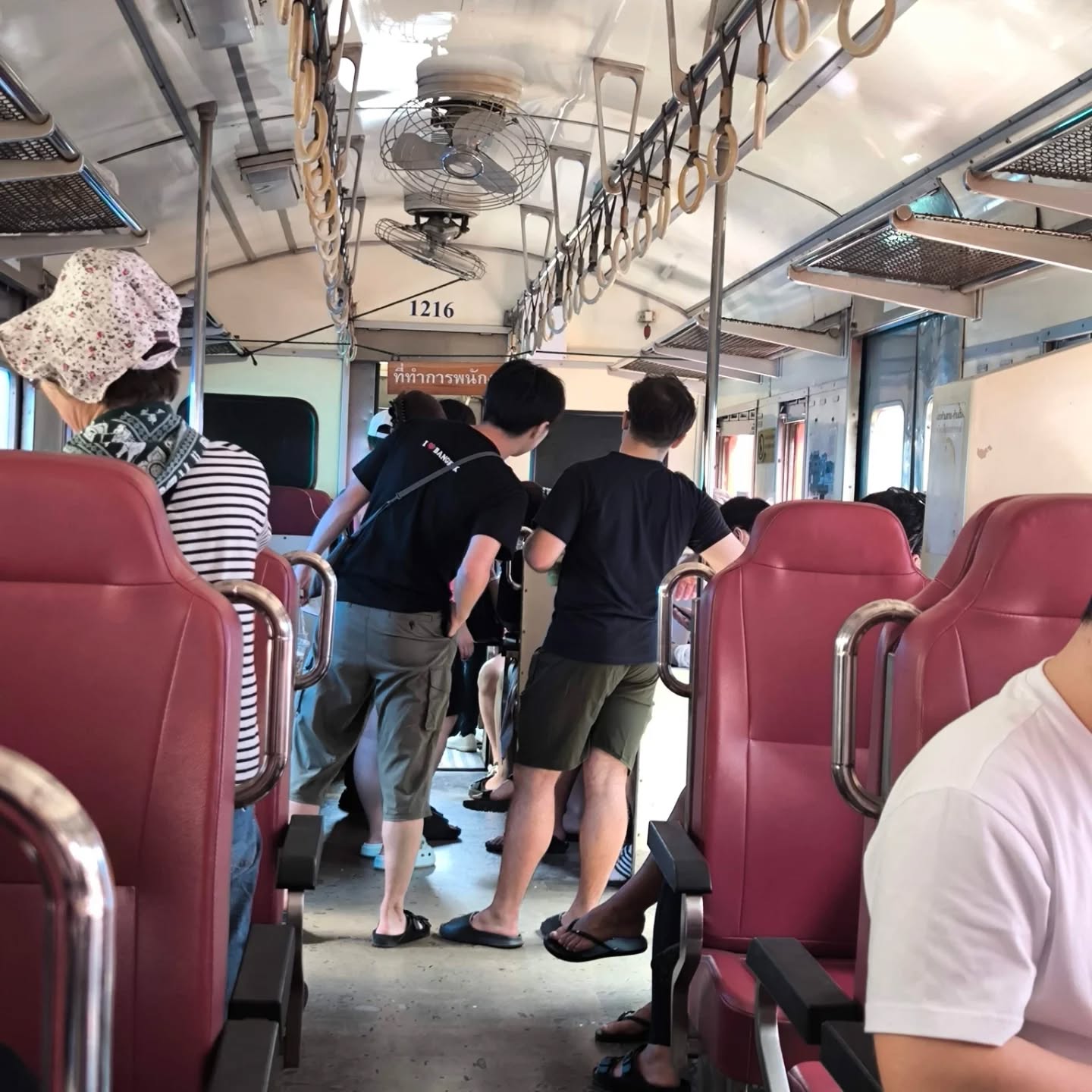
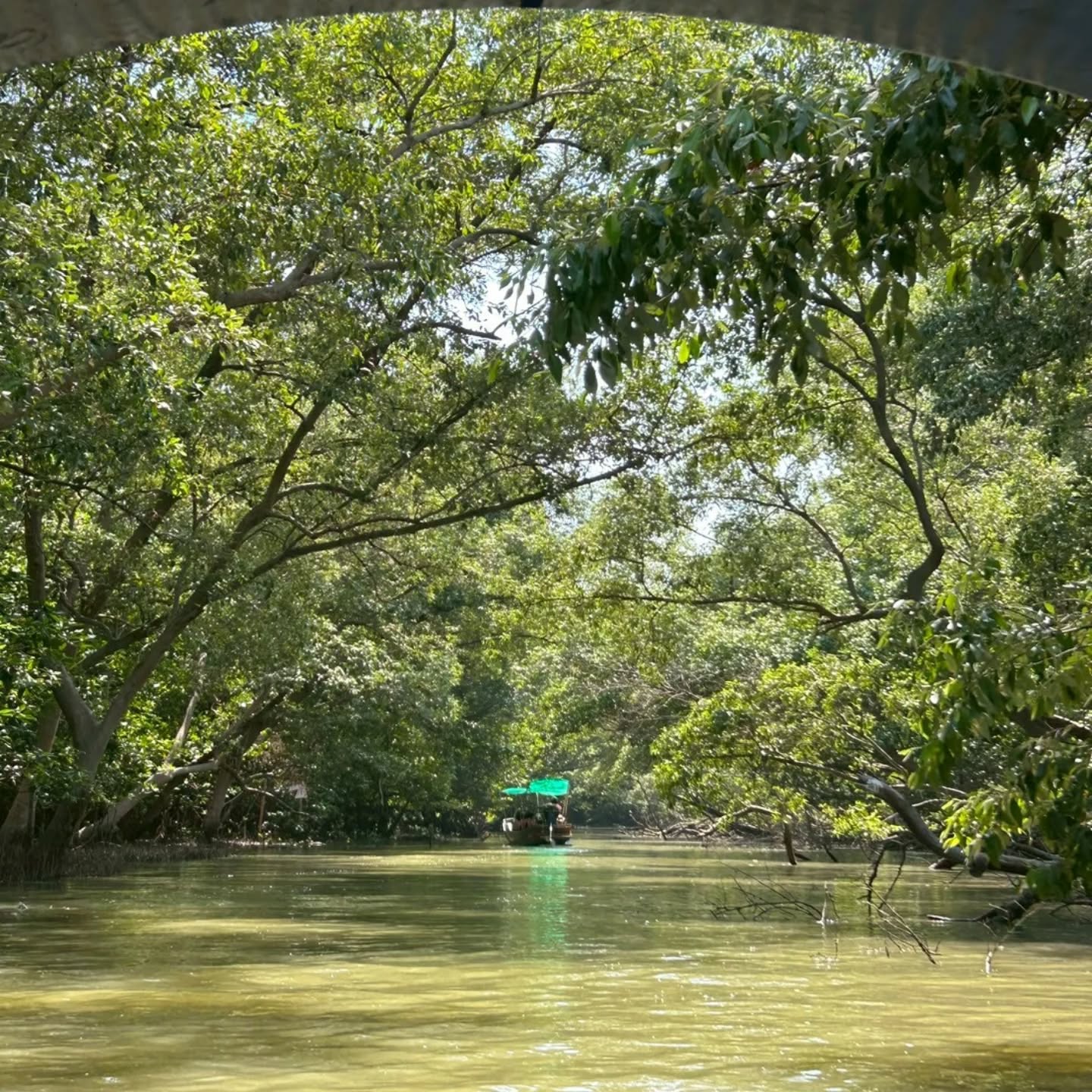
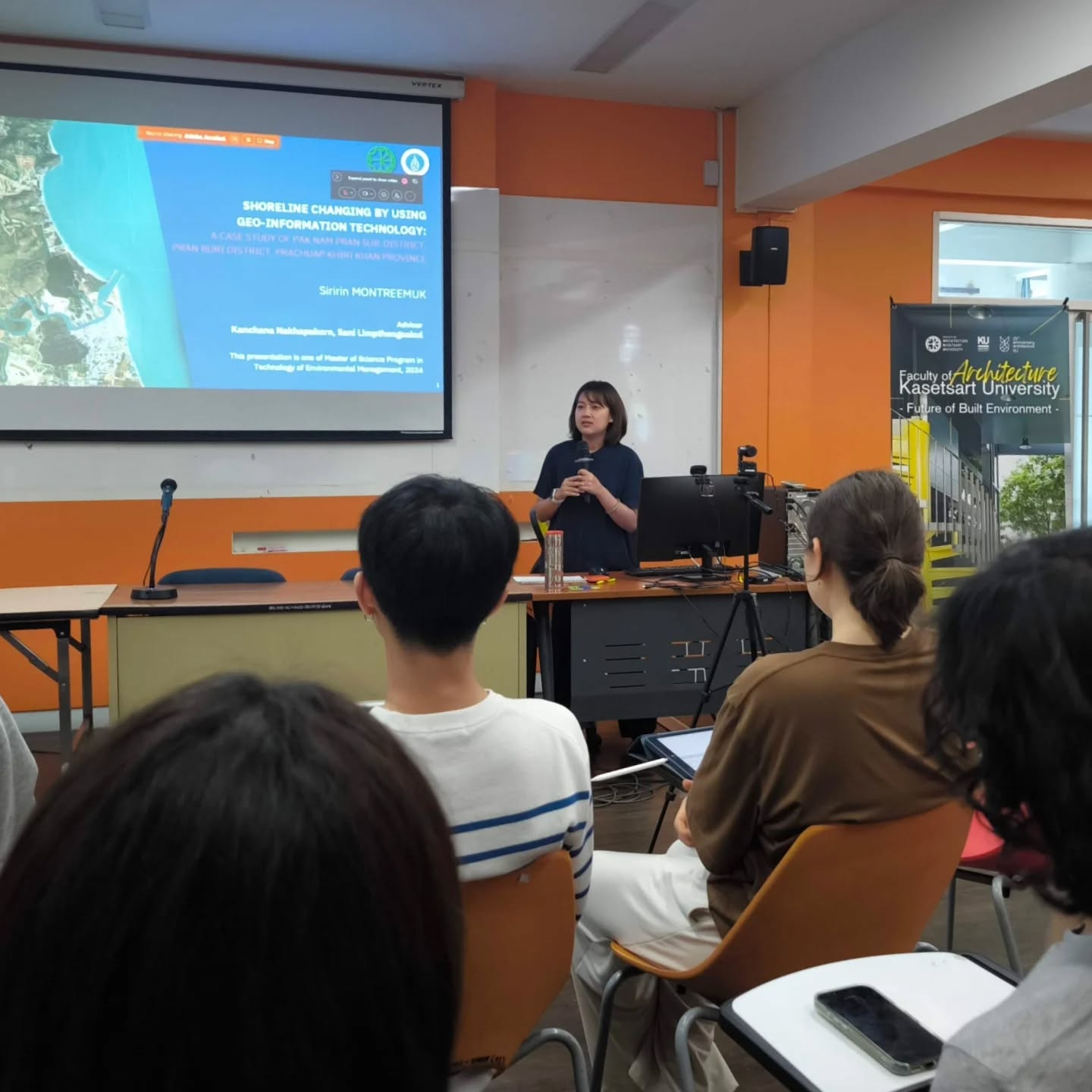
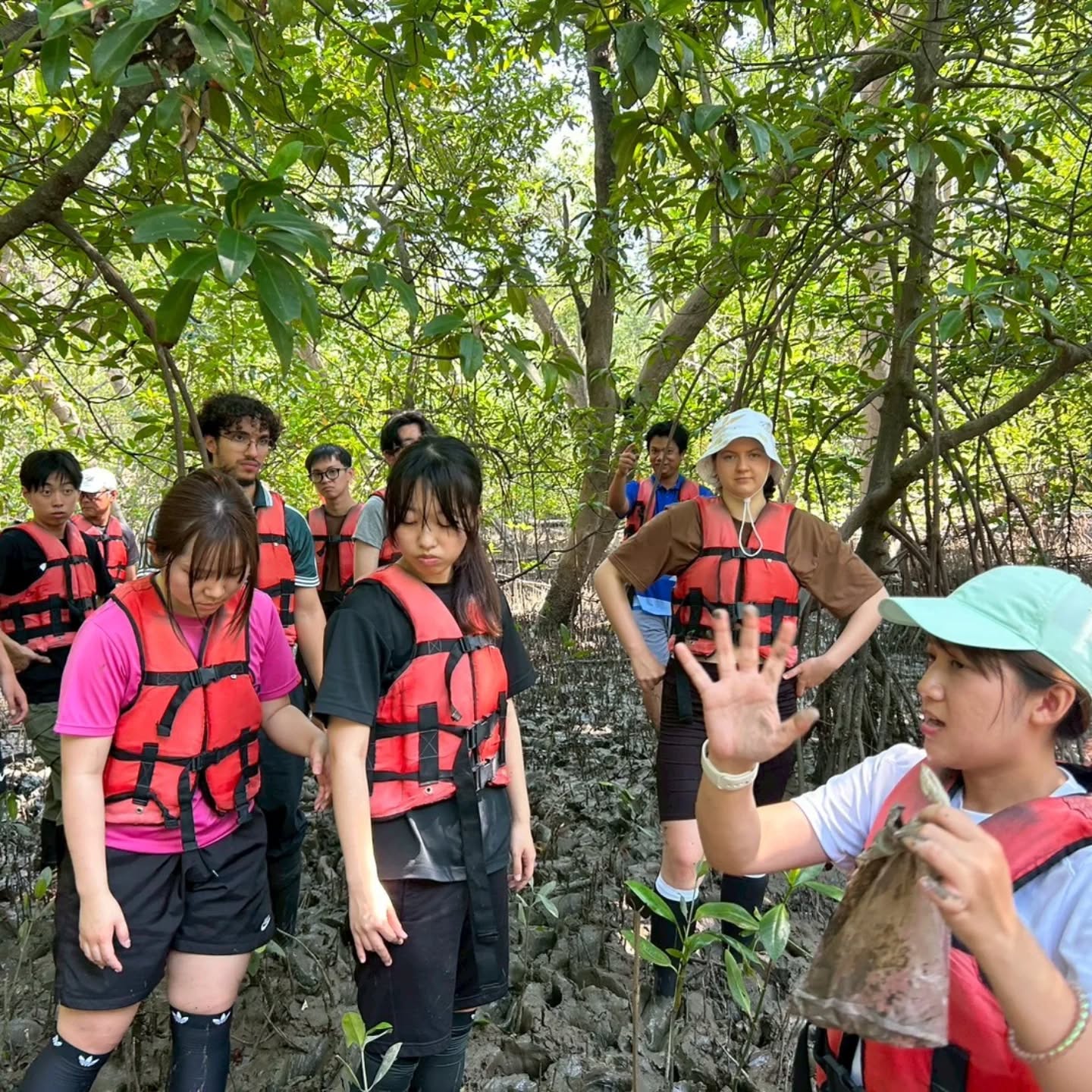
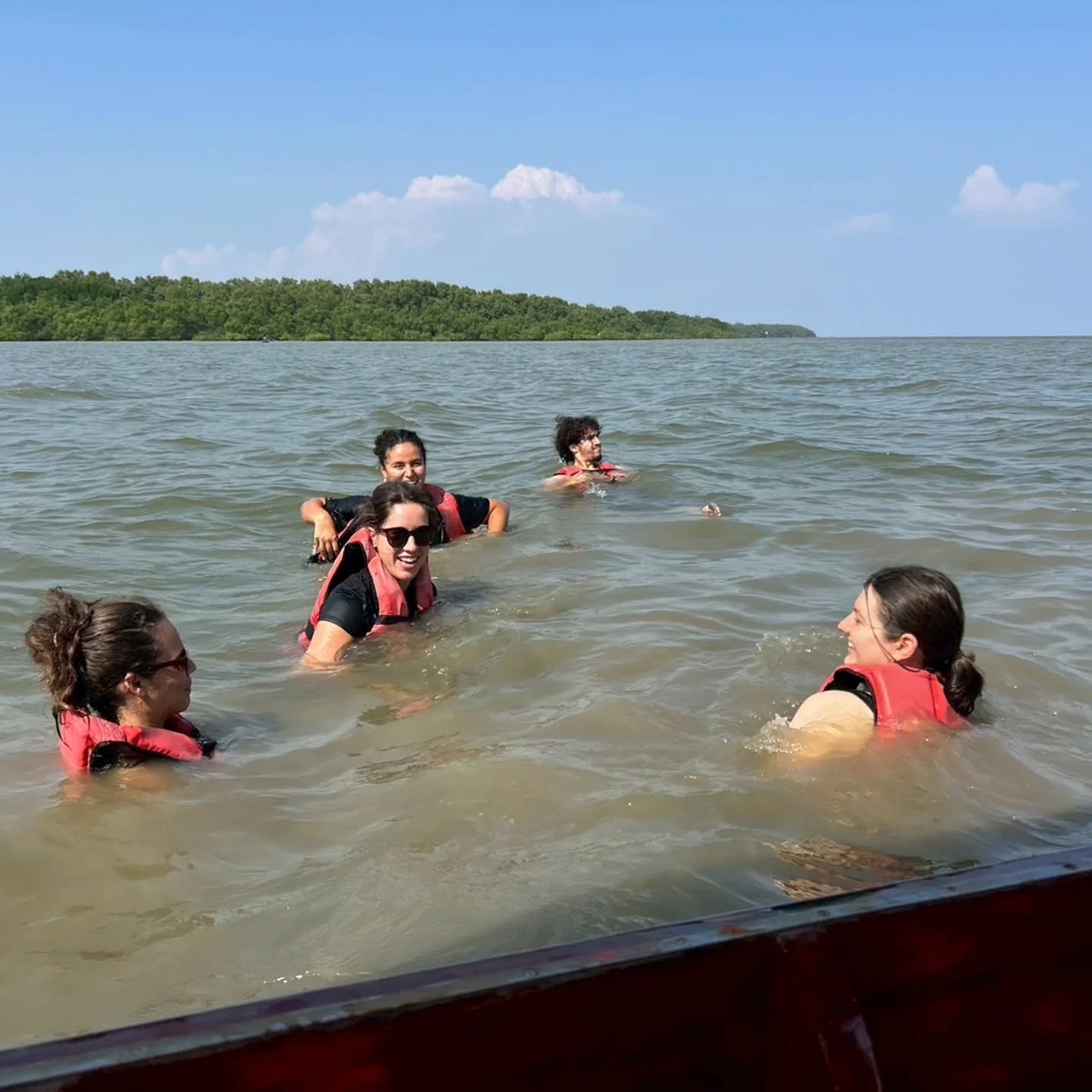
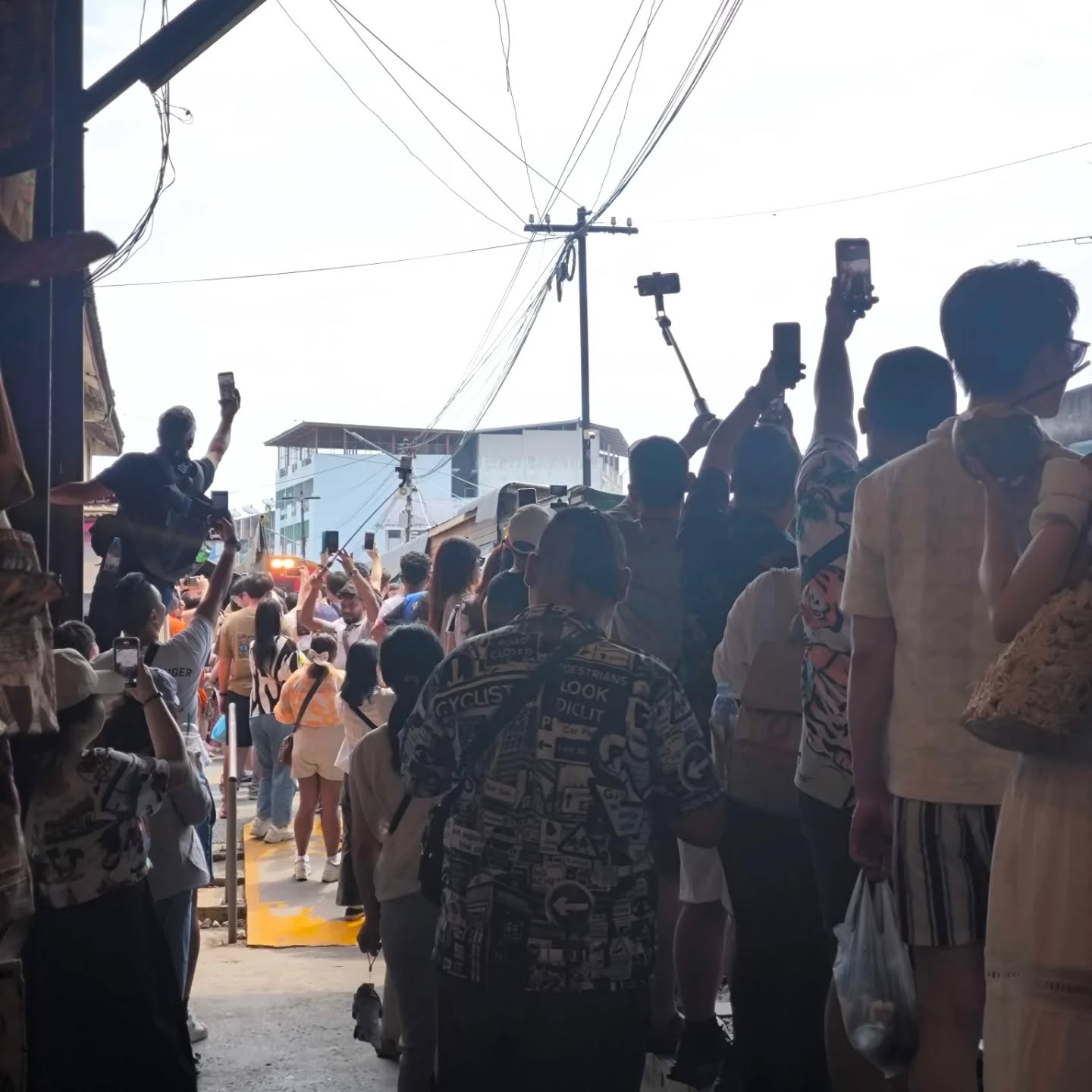
Throughout the program, participants engaged in a combination of field-based learning, site exploration, and classroom discussions. Activities extended from Bangkok’s intricate canal systems to coastal environments, allowing students to observe firsthand how water shapes settlement patterns, livelihoods, and everyday practices. Through structured surveys, on-site observations, and thematic lectures, students examined how traditional water-based lifestyles continue to adapt within rapidly changing urban and environmental contexts. The integration of lectures and presentations provided a conceptual framework, while fieldwork grounded these ideas in real-world conditions.
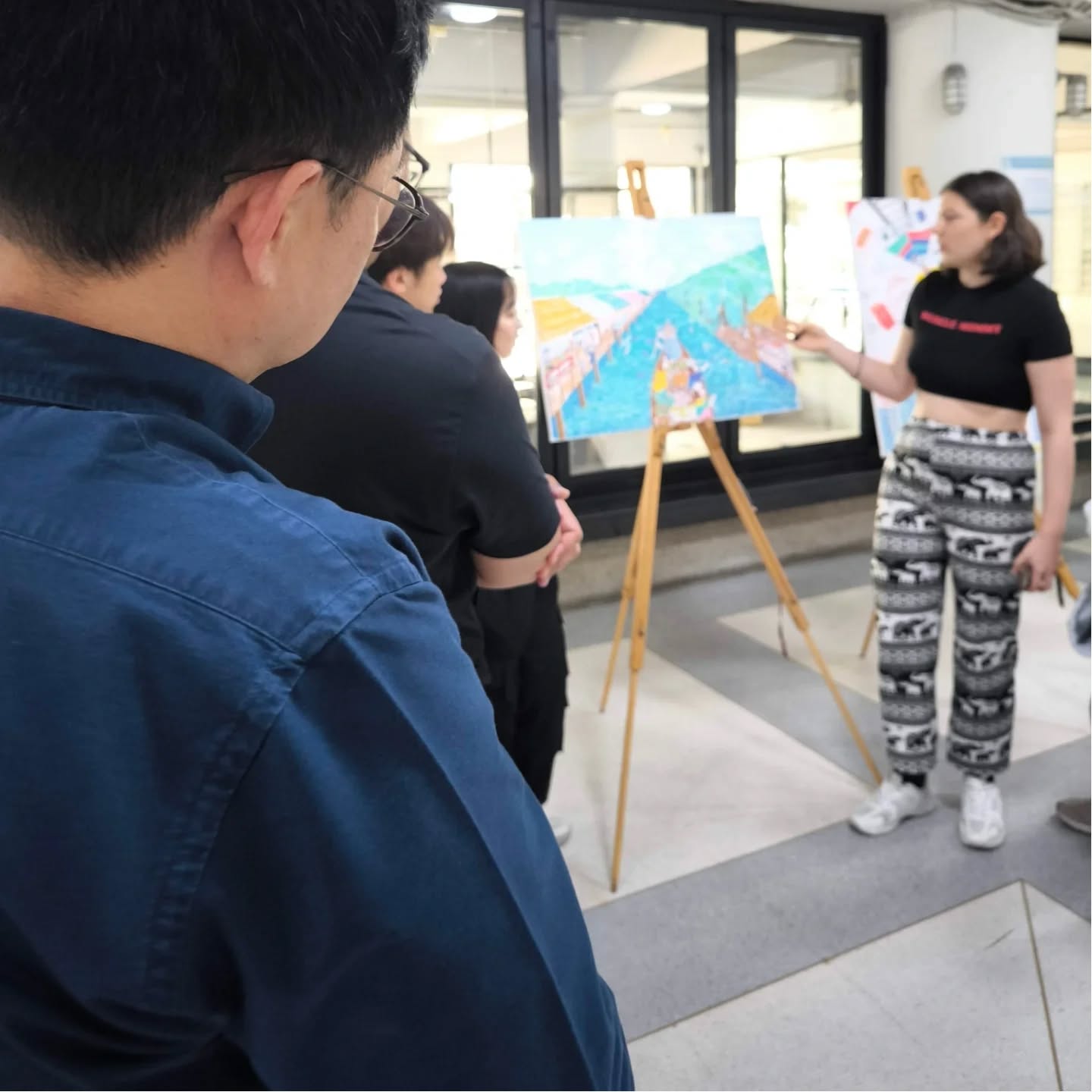
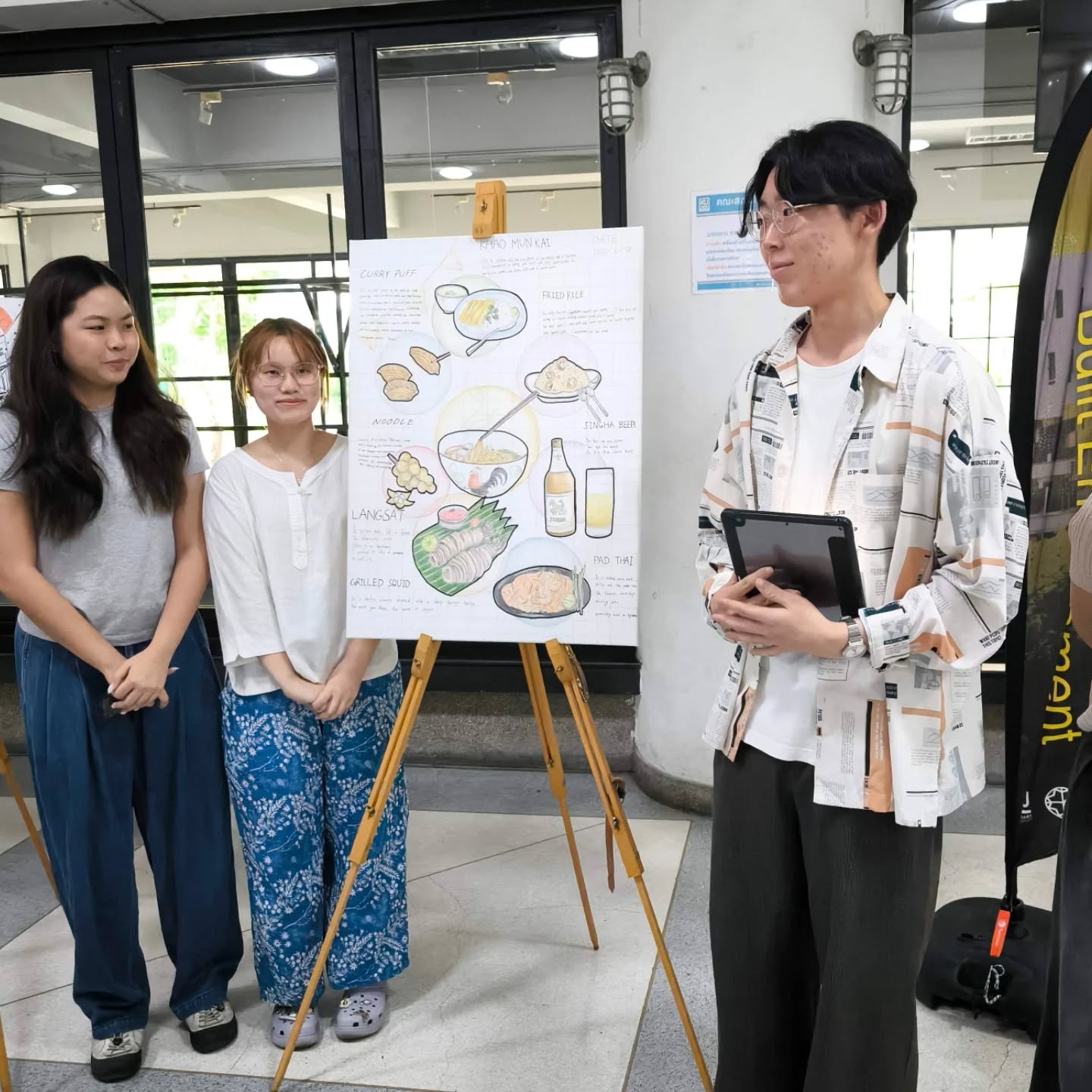
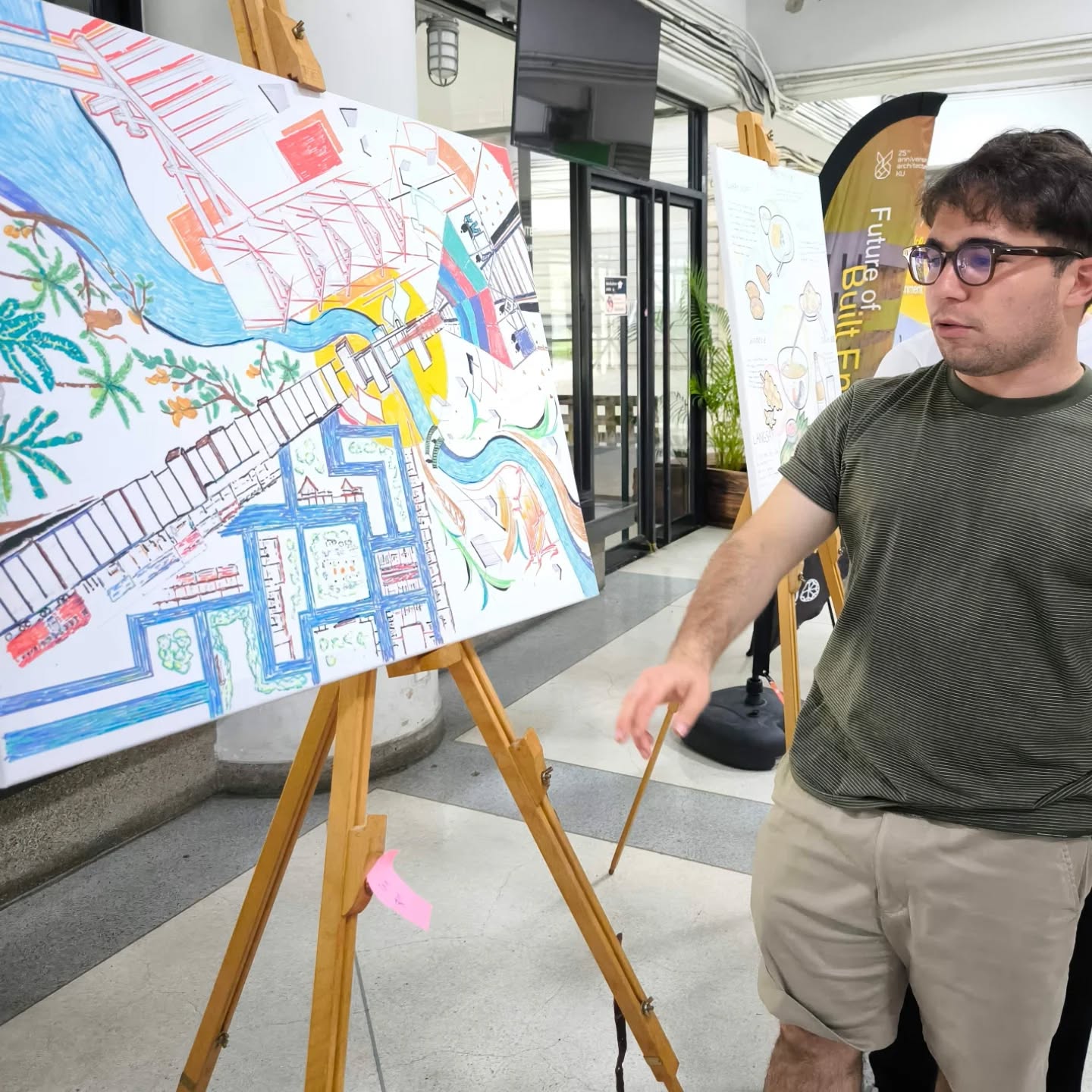
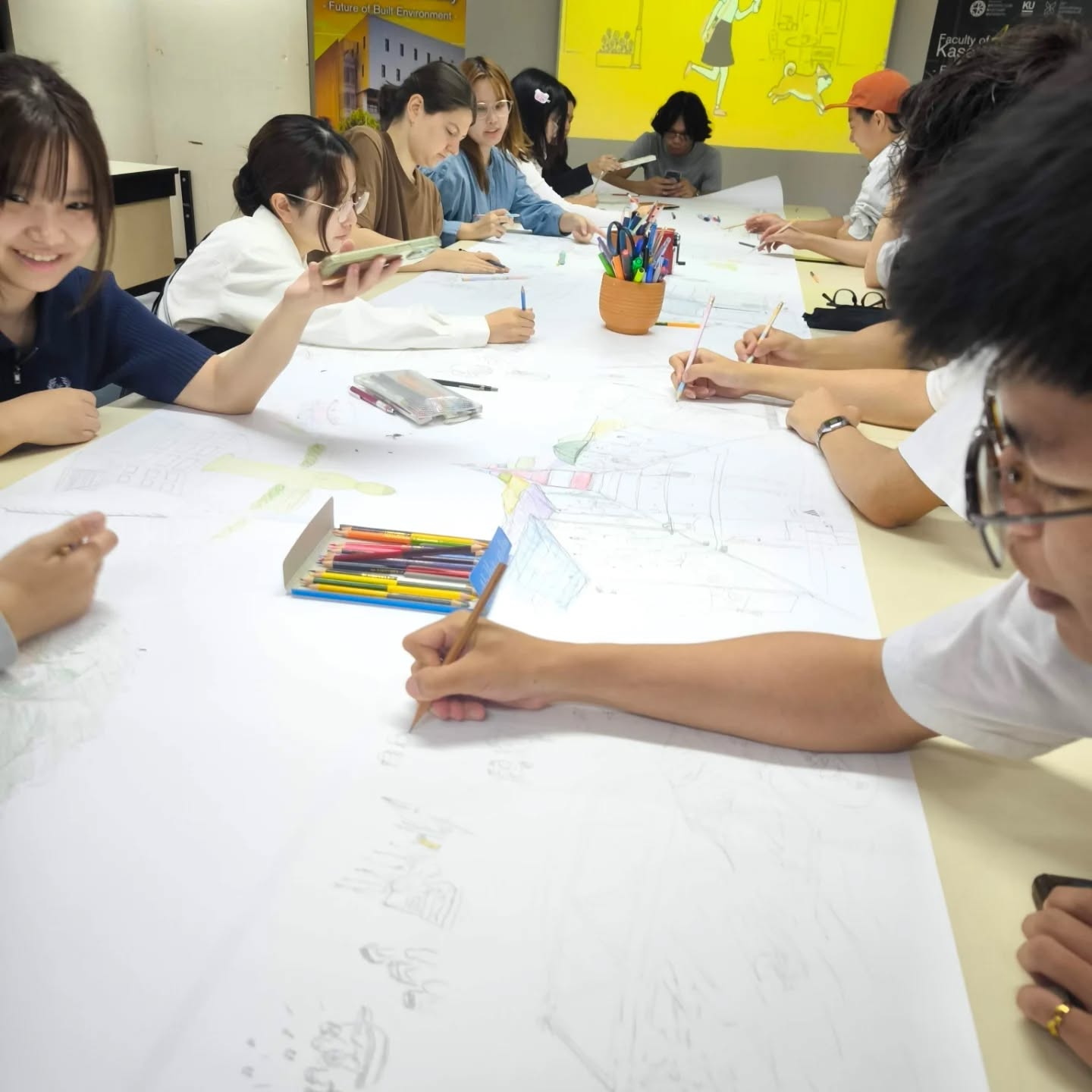
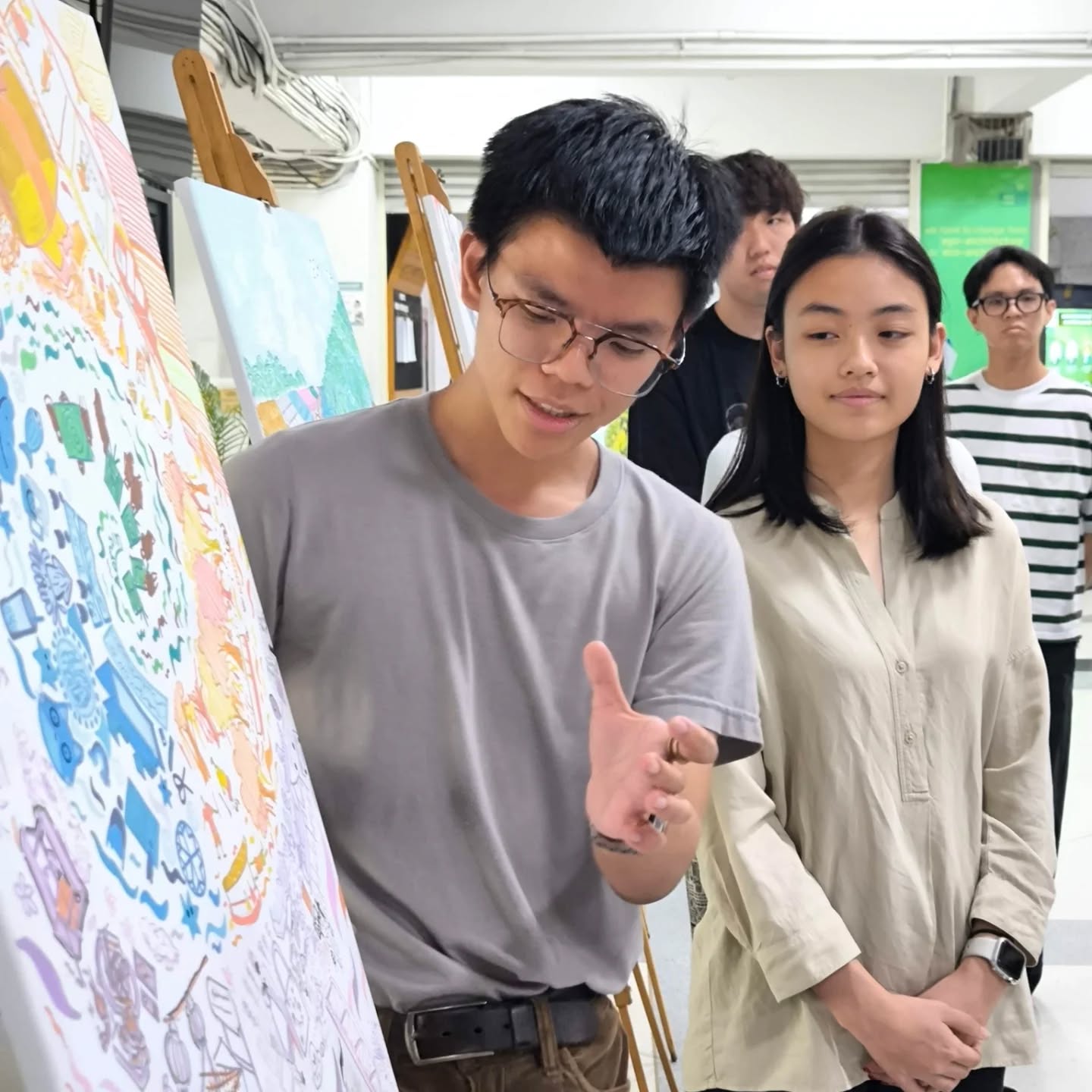
A key component of the workshop was the emphasis on interpretation and synthesis. Students were encouraged not only to document what they observed but also to critically reflect on the relationships between space, culture, and community. This process culminated in the Creative Memory Map final presentation, where each group translated their field experiences into spatial narratives. These works reflected personal and collective interpretations of place, revealing diverse perspectives on canal culture, environmental adaptation, and community resilience.
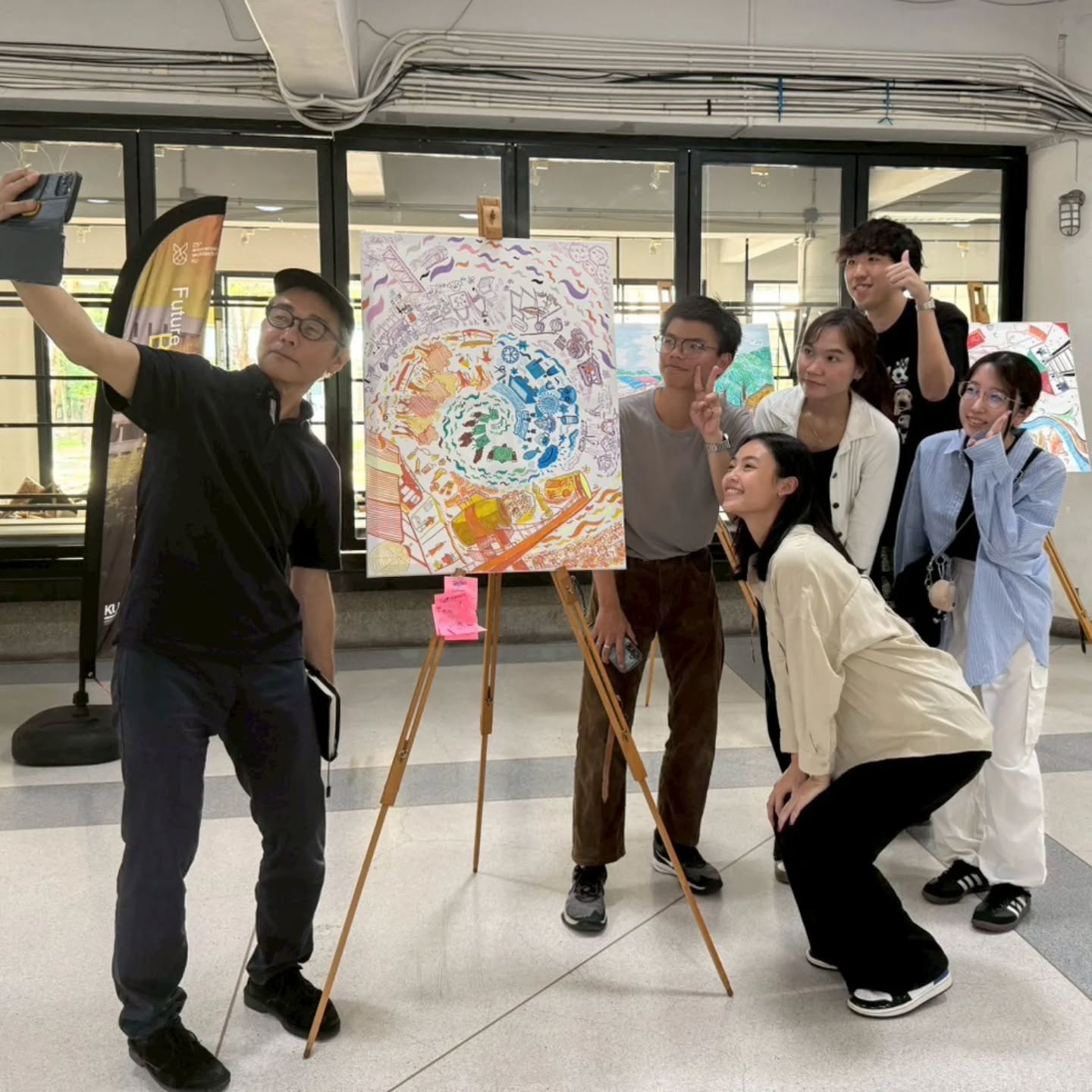
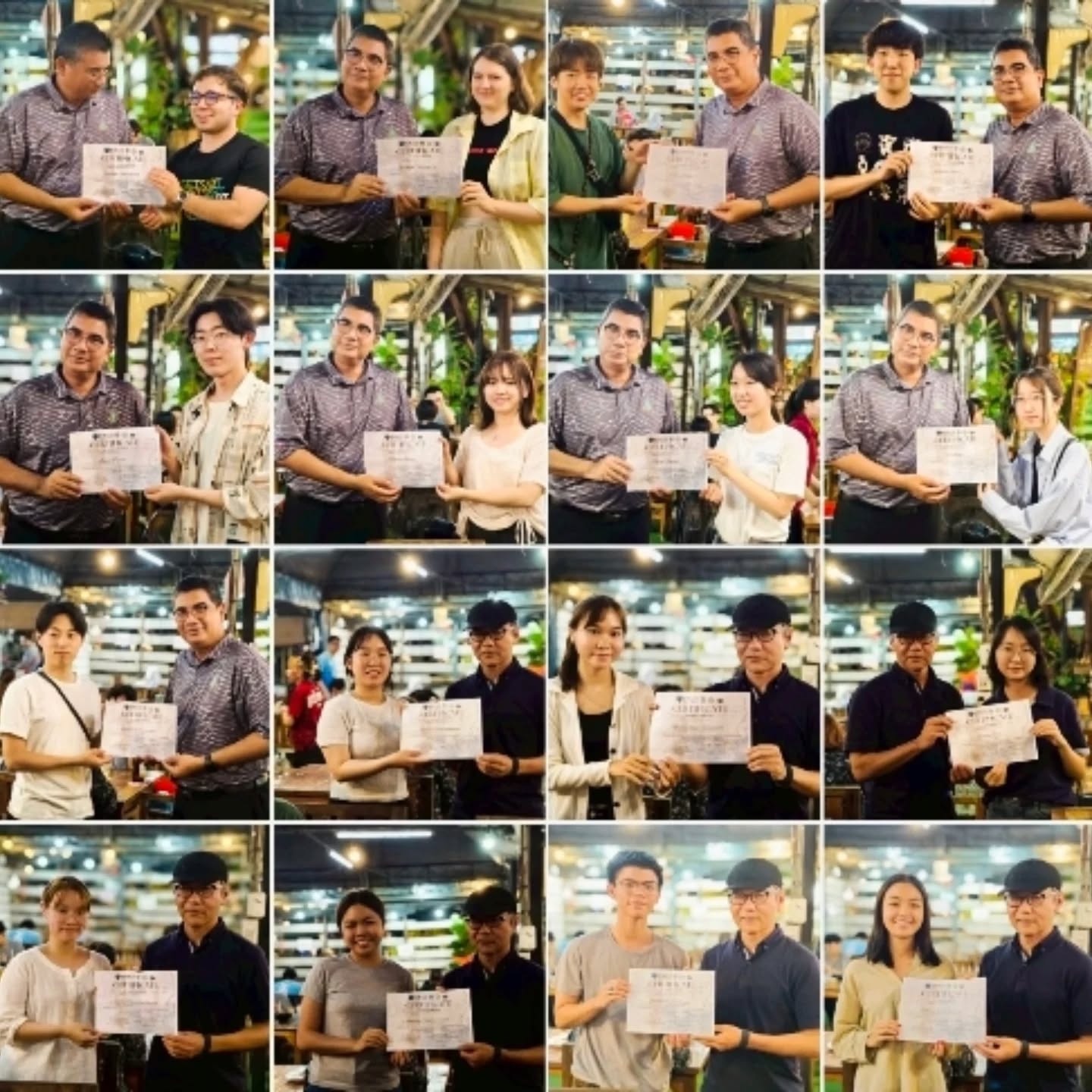
As part of the closing session, the workshop introduced a small-scale exhibition and auction of student artworks. This activity created an interactive platform for sharing outcomes while also contributing to student support, as proceeds were returned to subsidize participation. It reinforced the idea that academic work can extend beyond the classroom into meaningful forms of engagement and contribution.
Beyond the immediate outcomes, the visit further strengthened the academic relationship between Kasetsart University and Saga University. The collaboration highlighted shared interests in water heritage, community-based learning, and interdisciplinary research. It also opened pathways for future initiatives, including student exchange programs, sandwich programs, joint workshops, and participation in the Sakura Science Program 2026. These efforts reflect a continued commitment to developing international academic networks and advancing hands-on, field-oriented education in the built environment.