The Humanist
Wellbeing
People, care & better everyday lifeผู้คน ความใส่ใจ และชีวิตที่ดีขึ้น
A new international programme from Kasetsart Architecture and Built environment
A four-year English-language degree connecting design, people, culture, environment, and technology.
A/Be Persona Lab · Open House
A little curiosity can lead somewhere big. Explore your interests and discover how they connect with learning at A/Be.ลองสำรวจสิ่งที่ชอบ ผ่านสถานการณ์ใกล้ตัว แล้วค้นหาว่าความสนใจของคุณเชื่อมกับการเรียนที่ A/Be อย่างไร
The Humanist
People, care & better everyday lifeผู้คน ความใส่ใจ และชีวิตที่ดีขึ้น
The Time Traveler
Stories, culture & living placesเรื่องราว วัฒนธรรม และย่านที่มีชีวิต
The Tech–Eco Optimizer
Data, climate & smarter buildingsข้อมูล ภูมิอากาศ และอาคารที่ตอบโจทย์
Meet your persona, explore future careers and further study, and save a card to share.รับการ์ดตัวตน พร้อมไอเดียอาชีพและเส้นทางเรียนต่อ แล้วบันทึกไปแชร์ได้เลย
No right or wrong answers. Start with what feels most like you. ไม่มีคำตอบถูกหรือผิด เลือกสิ่งที่รู้สึกว่าใช่ในแบบของคุณ
A/Be is an interdisciplinary Bachelor of Science programme. All students study a common core and can shape their interests through electives across three integrated focus areas, not separate degree majors.
Human-centred spatial design for health, inclusion, safety, comfort, service experiences, quality of life, and future ways of living.
Courses may include: Human-Centered Design for Well-Being; Design for One Health and Well-Being Studio; Future Society Innovation Studio; Transdisciplinary Design.
Cultural heritage as a living relationship among people, places, nature, communities, vernacular architecture, and cultural landscapes.
Courses may include: Cultural Heritage Theory; Adaptive Reuse of Built Heritage; Riverine Settlements and Water Heritage Landscapes; Heritage Ecosystems: People, Nature and Culture Linkage; Dialogue on Global and Contemporary Challenges in Heritage Studies.
Climate-responsive design, indoor environmental quality, energy, sustainable materials, low-carbon buildings, BIM, parametric design, and evidence-based assessment.
Courses may include: Healthy Building Performance and Design; Energy and Environmental Modeling for High-Performance Design; Low Carbon Building; Sustainable Building, Construction and Operation; Digital Tools II: BIM and Parametric Design.
A/Be is designed as a foundation for advanced study across the built environment and beyond. Students may connect their undergraduate study with selected graduate programmes at Kasetsart University.
Advanced study in architecture, urban environments, design, and contemporary built-environment issues.
Faculty of Architecture → Building InnovationAdvanced study connecting building technology, innovation, sustainability, and emerging construction systems.
Faculty of Architecture → AI + EngineeringBuild foundational AI and computing knowledge during A/Be and continue toward graduate-level study in AI engineering in collaboration with Computer Engineering.
Faculty of Engineering →Additional interdisciplinary pathways with other faculties may be developed. Admission, credit transfer, and completion requirements are subject to the regulations of each graduate programme.
Studios, fieldwork, community engagement, international workshops, research, and collaboration connect classroom knowledge to real places.
Work on real places and real problems
Study situations where design decisions matter to people, communities, and environments.
Connect design with evidence
Learn research, analysis, observation, and evaluation alongside creative design.
Build a practical digital toolkit
Use CAD, BIM, GIS, mapping, visualization, programming, and applied AI.
Collaborate across boundaries
Work with communities, professionals, classmates, and international partners.
Graduate with a body of work
Build a portfolio through studios, fieldwork, research, and a capstone project.
Design foundations, creative thinking, visual communication, culture and history, materials, computer-aided design, and visualization.
Community and systems design, research methods, documentation, applied AI, sustainable materials, well-being, building performance, BIM, and parametric design.
Regenerative design, spatial analysis and mapping, impact assessment, cultural heritage, integrated studios, and focus-area electives.
Management and entrepreneurship, advanced electives, a capstone project, and an international seminar on regenerative futures.
Credit structure
Students may take part in field-based studios, research, community work, international workshops, exchanges, internships, and academic events.
Opportunities are subject to availability, selection, funding, and partner arrangements. Participation is not guaranteed.
Read places directly through observation, mapping, and design.
Listen, collaborate, and respond to local knowledge and priorities.
Exchange ideas and methods across cultures and disciplines.
Turn questions and evidence into clear design decisions.
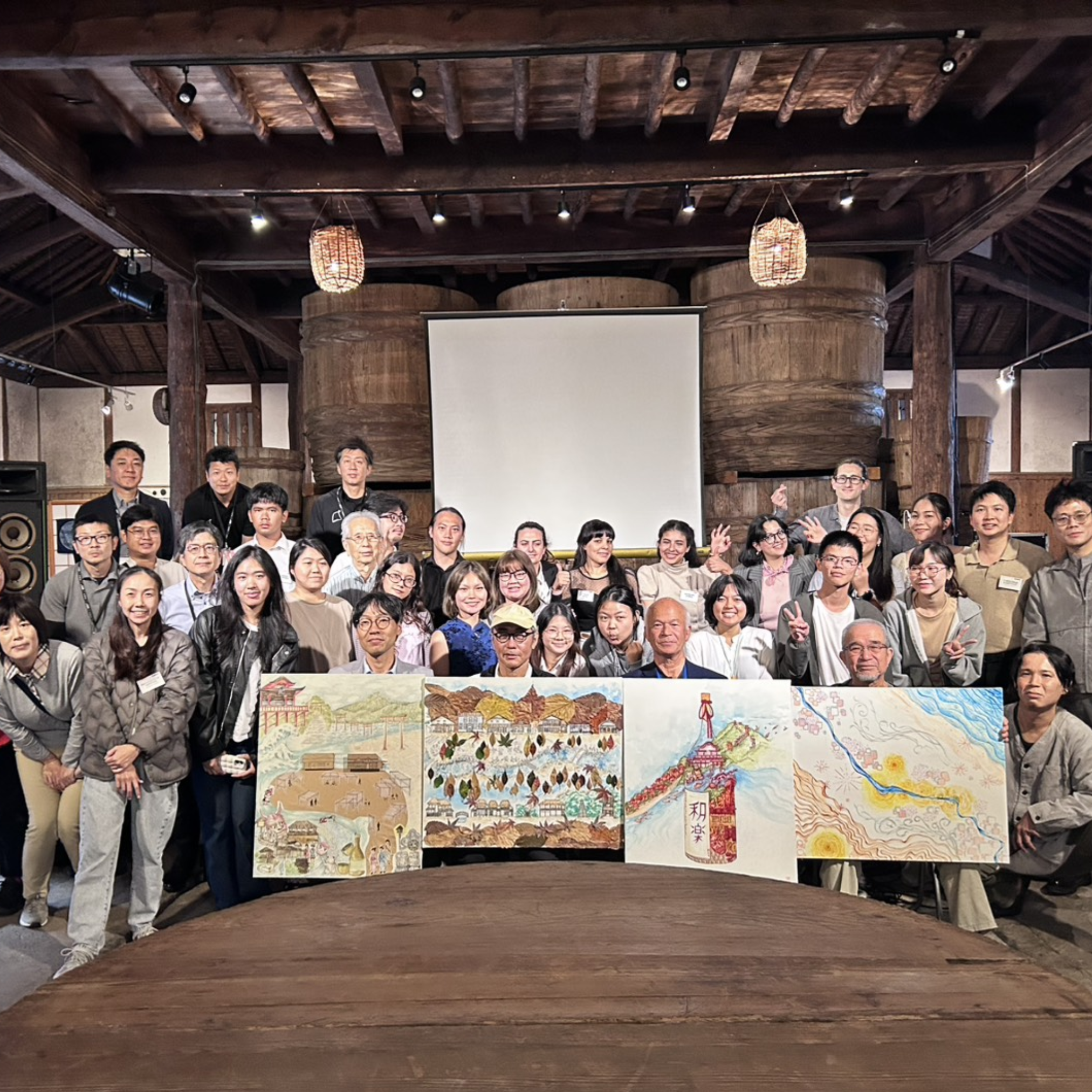
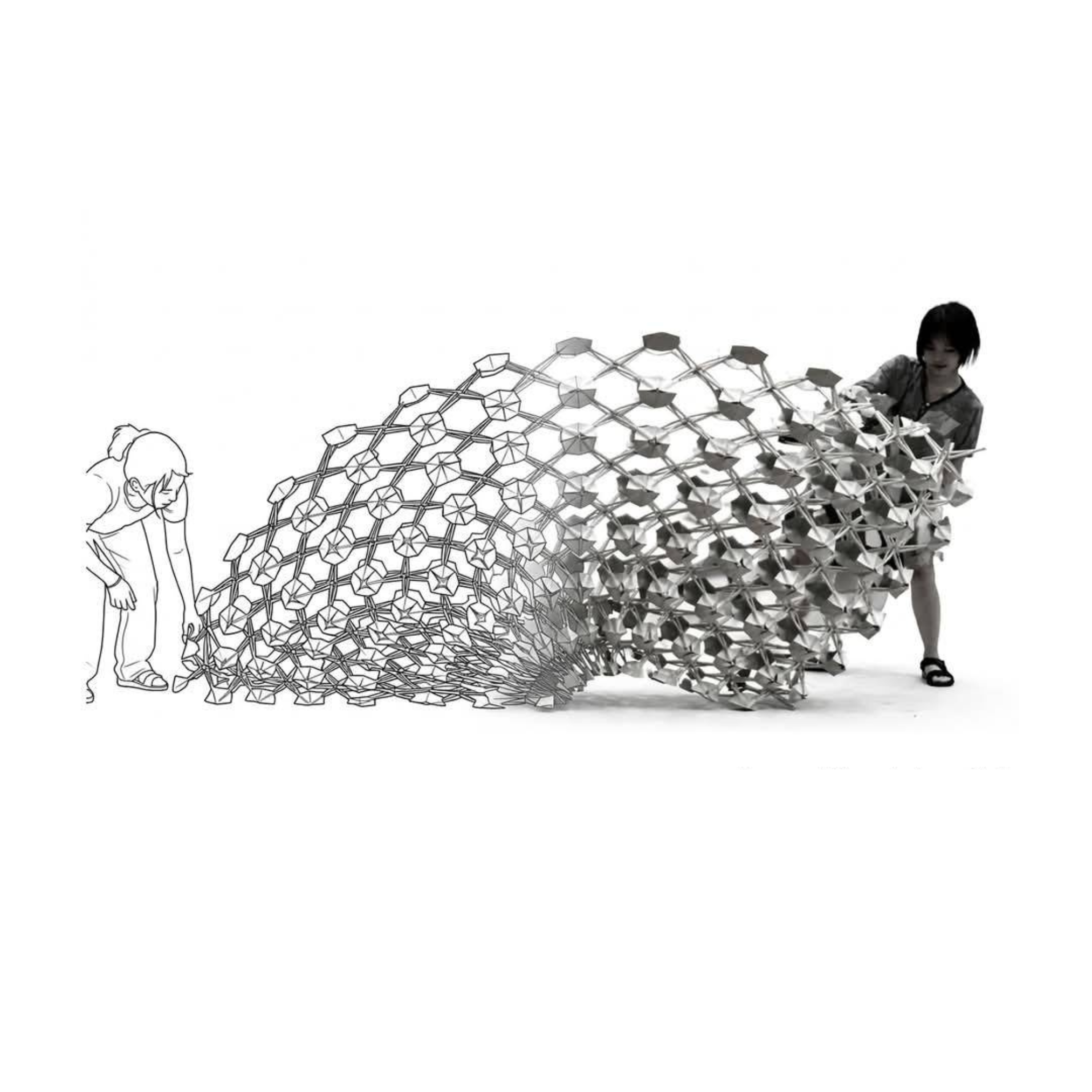
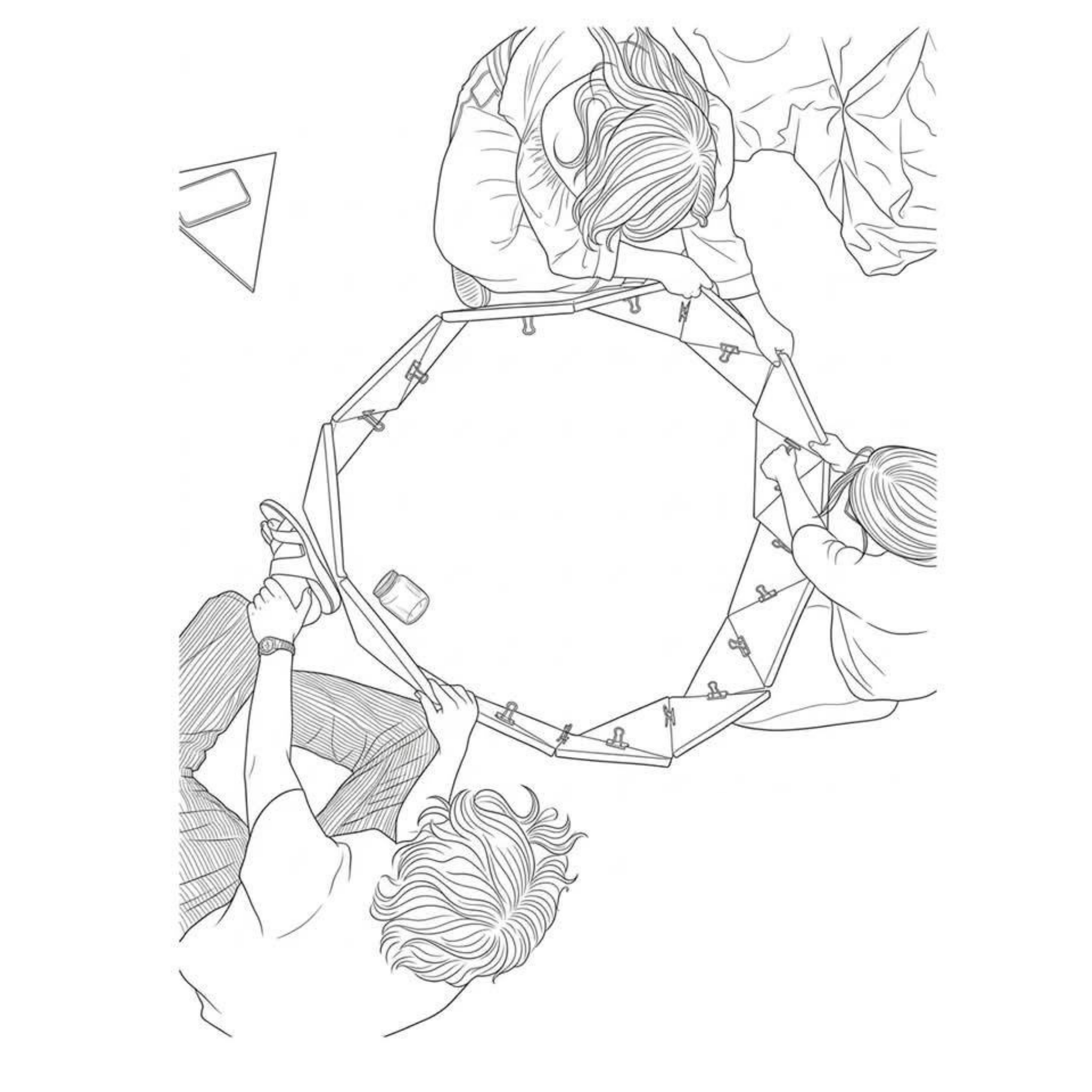
A/Be in action
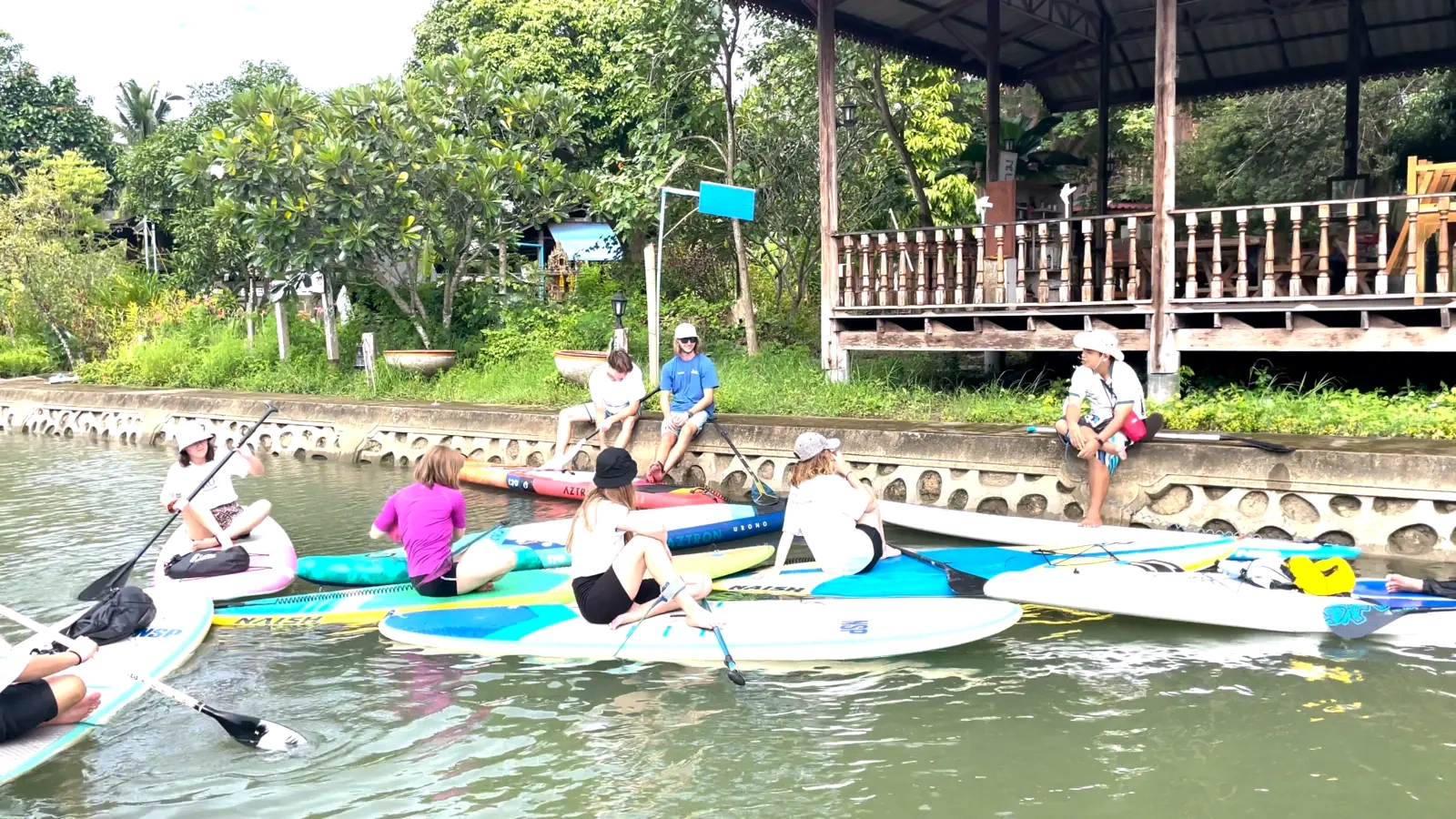
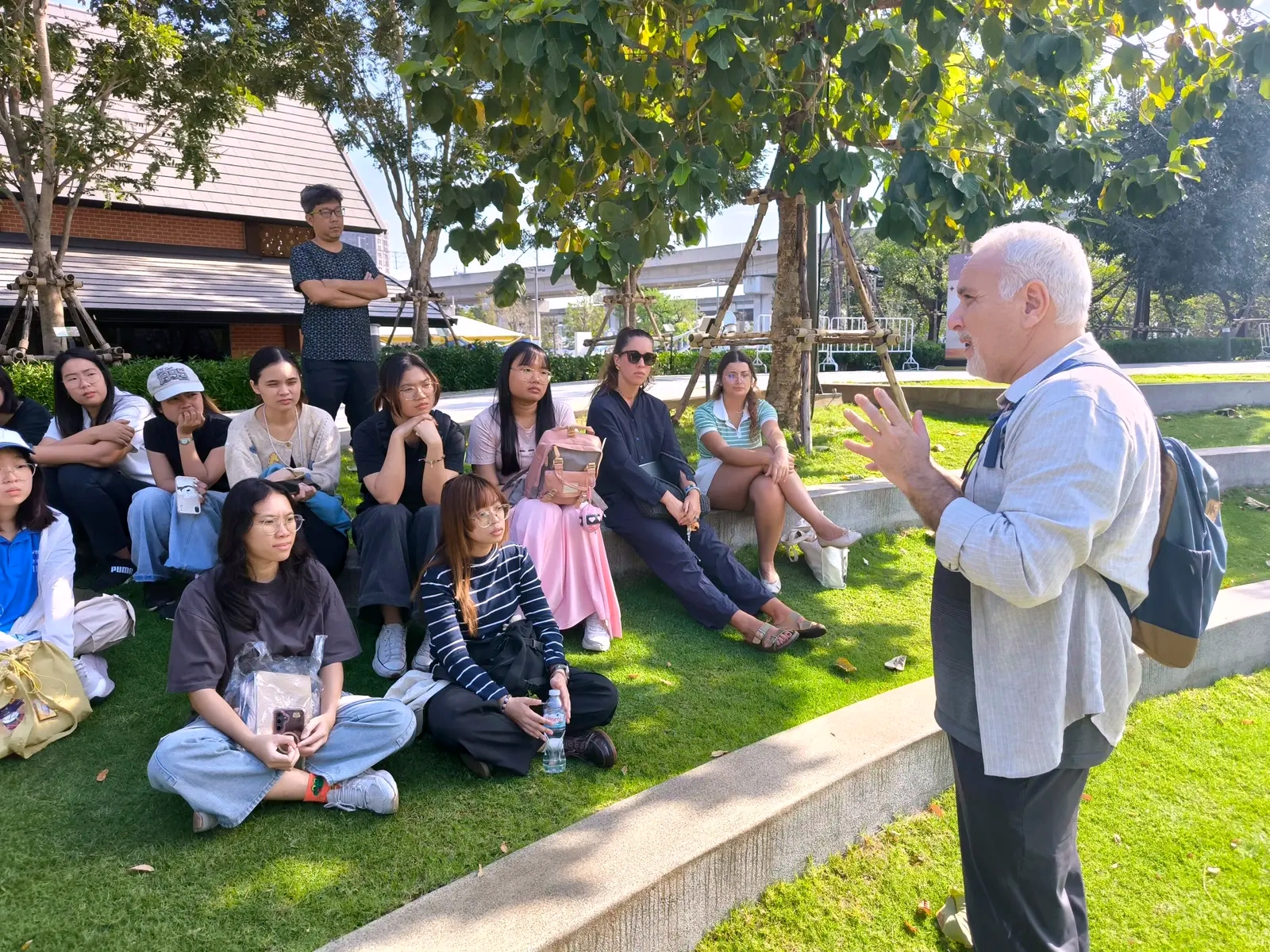
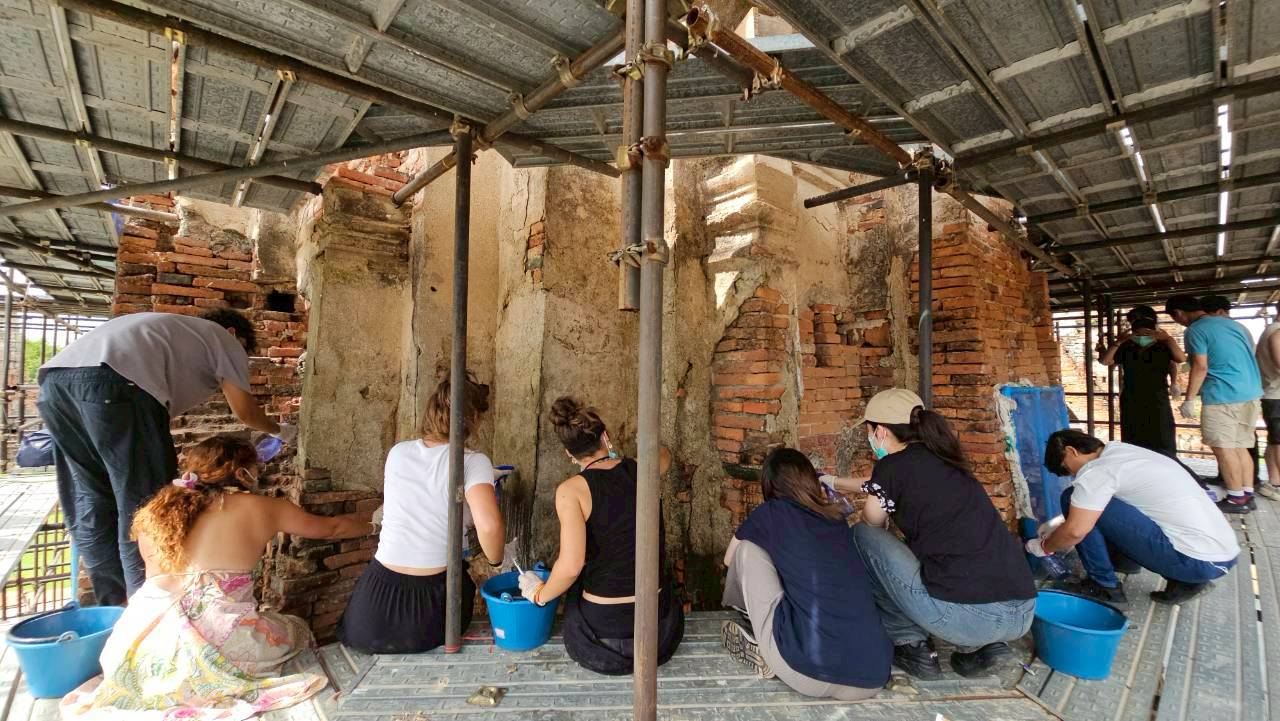
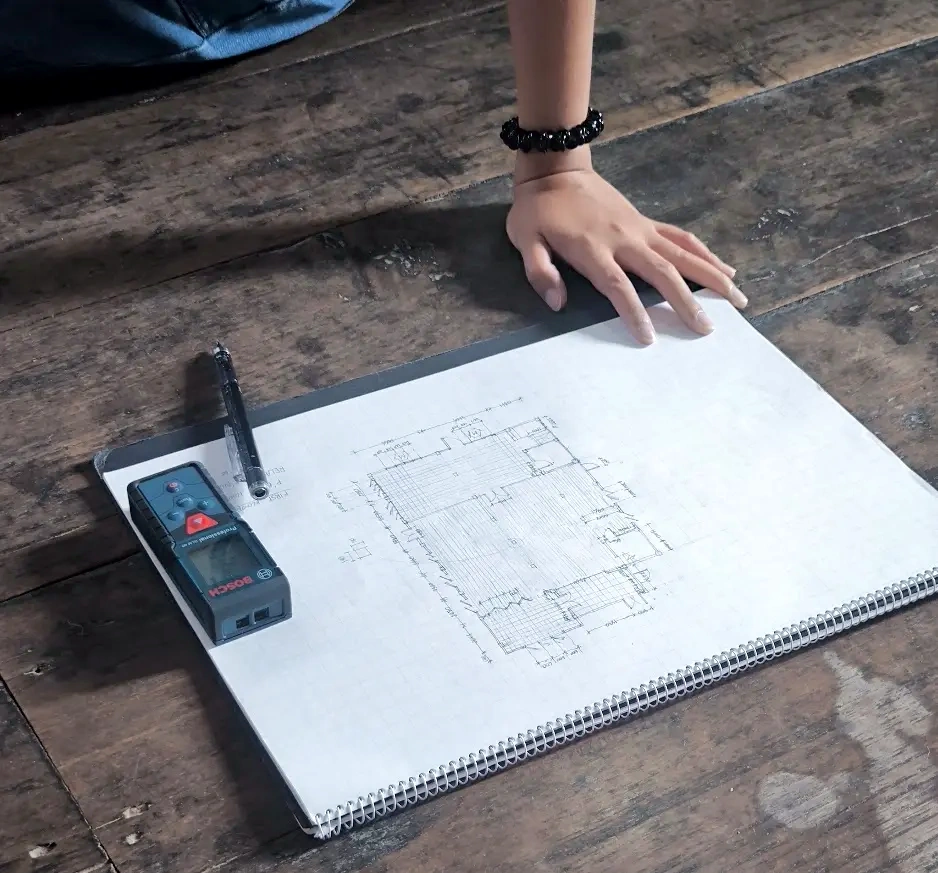
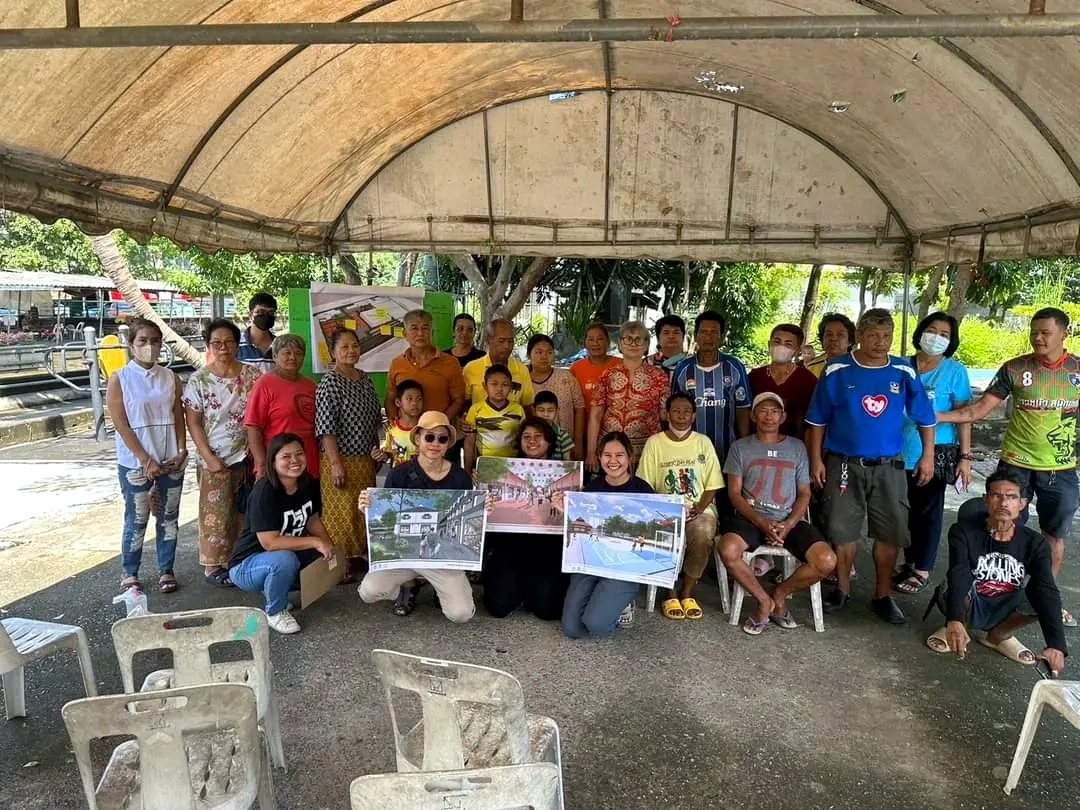
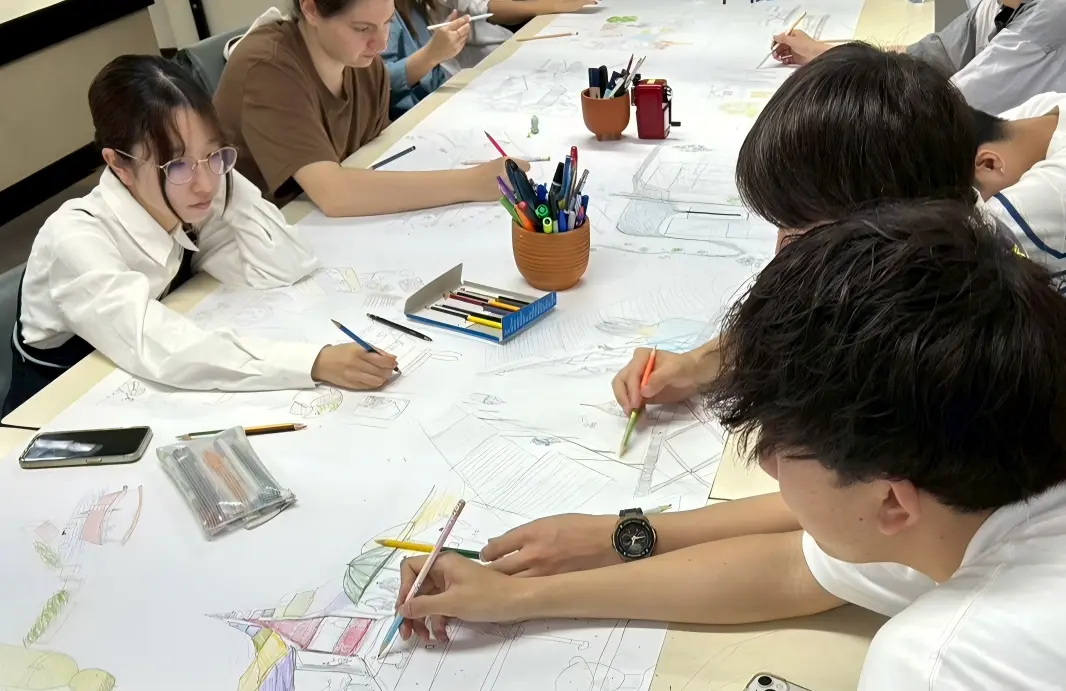
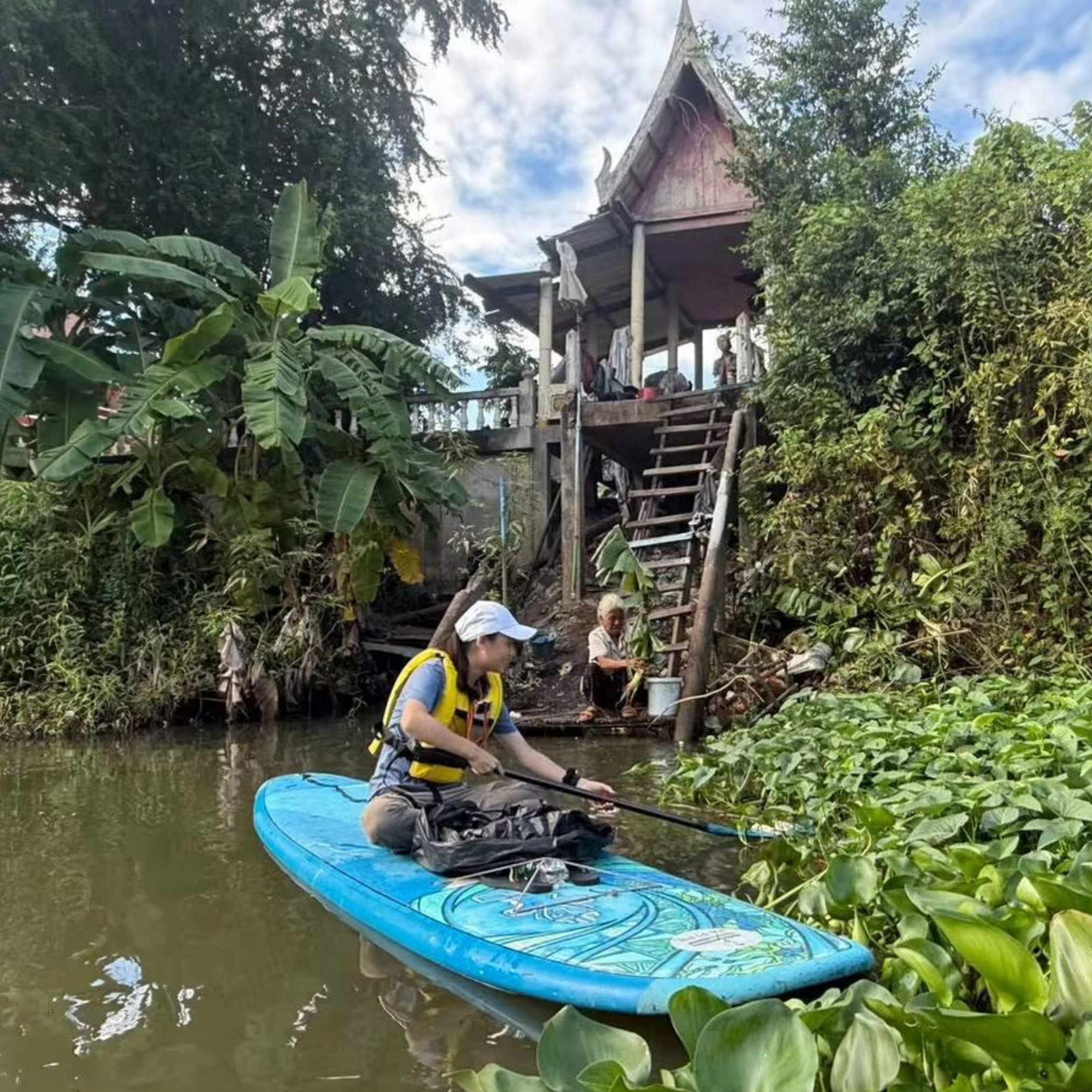
A/Be activities connect design, research, fieldwork, community engagement, international collaboration, and hands-on learning across different places, people, and built-environment challenges.
A/Be supports broad design, analysis, research, and coordination roles. It is not a professional Bachelor of Architecture degree and does not directly lead to architectural licensure.
Human-environment, user-experience, and service designer
Heritage and cultural-landscape specialist
Conservation, museum, or adaptive-reuse project coordinator
Building-performance and environmental-quality analyst
BIM, spatial-analysis, GIS, or data-driven design specialist
Researcher or project assistant
Sustainability, urban-development, or smart-city project officer
Community-development or international-development project coordinator
Design communication, interpretation, and creative-media specialist
Entrepreneur or consultant in built-environment fields
International students are required to pay an additional fee of THB 10,000 per semester to KUIC. Other university fees and personal expenses may also apply.
THB 106,500
per regular semester
Summer, when applicable:
THB 55,000
THB 86,500
per regular semester for students entering in Academic Years 2027–2031
Introductory summer fee:
THB 45,000
The programme offers merit, mobility, and academic support. Eligibility, award values, and availability follow the official annual announcement.
Recognition for strong entry-level English and academic achievement. Award amounts, score criteria, and application arrangements follow the official annual announcement.
Continuing-student recognition based on academic performance and annual programme criteria.
Support for selected international internships, subject to availability, selection, funding, and partner arrangements.
Support for selected international exchanges, subject to availability, selection, funding, and partner arrangements.
Support for selected student research or academic presentations at international events held in Thailand.
Support for approved international academic travel, subject to selection, funding, and annual arrangements.
Awards recognising meaningful academic improvement and wider student achievement.
Admissions for Academic Year 2027 begin with TCAS Round 3 (Admission) and Round 4 (Direct Admission). International applicants apply through KUIC. No TPAT4 required.
Thai applicants
Apply through Round 3 (Admission) or Round 4 (Direct Admission). Entry requirements and selection methods differ by round. TPAT4 is not required.
Application dates and official link: KU-TCAS 70 →
International applicants
Apply through Kasetsart University International College (KUIC). Selection uses mathematics and English proficiency scores, followed by an interview in English. TGAT and TPAT4 are not required for this pathway.
Application dates and official link: Admission Information – KUIC →
Qualifications: Applicants must have completed upper-secondary education or a recognised equivalent. GED and overseas qualifications require equivalency documents under Kasetsart University rules.
Required tests: TCAS Round 3 requires A-Level English, TGAT2, and TGAT3. Round 4 and KUIC applicants may use accepted English tests, such as IELTS, TOEFL, KU-EPT, or SAT Reading and Writing, according to the requirements of each pathway. Mathematics requirements may be met through accepted test scores or school grades. TPAT4 is not required.
Documents: Submit official transcripts, a graduation certificate, relevant test results, identification documents, and qualification and GPA equivalency documents where required. KUIC applicants must provide documents in English or certified English translations.
Test validity: Results must meet the requirements for the accepted test version, examination year, and validity period specified for the chosen admission pathway.
Academic record: Cumulative GPA of at least 2.50/4.00, or a university-approved equivalent.
Mathematics | meet one requirement: SAT Math at least 530; Thai A-Level Mathematics 1 or Mathematics 2 at least 20/100 in either subject; upper-secondary mathematics GPA at least 2.50/4.00 or its university-approved equivalent; or average upper-secondary mathematics score of at least 70%, including Chinese high-school qualifications.
English | meet one requirement: IELTS Academic overall at least 5.0; TOEFL iBT at least 35 on the 0–120 scale; KU-EPT at least 51; or SAT Reading and Writing at least 350.
Selection: Mathematics 50% + English proficiency 50%. Results are converted to a common 0–100 scale using the university’s score-conversion criteria. GPAX establishes eligibility only.
Interview: Conducted in English and assessed as pass/fail, with no score added to the ranking.
TGAT, TPAT4 and portfolio: Not required for this pathway.
“An international programme should do more than bring students and teachers together from different places. It should provide clear learning outcomes, strong teaching, rigorous quality assurance, and meaningful opportunities for global collaboration. A/Be has the potential to bring these elements together, giving students an interdisciplinary and practical education that prepares them to navigate and shape the changing built-environment field”
“Built-environment education should give students the confidence to explore, question, and test ideas across disciplines. A/Be creates space for this kind of learning by combining design thinking, collaboration, and real-world experimentation with an international perspective.”
“A/Be's view on Architecture provides a strong foundation for understanding people, places, systems, and interactions. By connecting design with collaboration, experimentation, and the ability to shape more sustainable and inclusive futures.”
Bachelor of Science (Architecture and Built Environment), abbreviated B.S. (Architecture and Built Environment).
No. A/Be is an interdisciplinary Bachelor of Science programme. It is not a professional Bachelor of Architecture degree and does not directly lead to architectural licensure.
Yes. English is the language of instruction.
Thai and international students who have completed upper-secondary education, or an equivalent qualification recognised by Thailand’s Ministry of Education, may apply. Applicants in their final semester may also apply under the announced conditions.
Portfolio requirements may vary by admission route. Specifications are to be announced.
Students must complete at least 120 credits.
Design for Well-being, Heritage Ecosystem, and Building Performance. They are integrated study areas within one shared programme, not separate majors.
International exchanges, workshops, and internships may be available. All opportunities depend on availability, selection, funding, and partner arrangements.
The standard fee is THB 106,500 per regular semester. An introductory fee of THB 86,500 per regular semester applies to students entering in Academic Years 2027–2031. Summer fees, when applicable, are THB 55,000 standard and THB 45,000 introductory.
Yes. The programme provides merit, mobility, and academic support. Criteria, funding, and availability follow the official annual announcement.
Applications follow Kasetsart University’s official admission calendar for Academic Year 2027. Thai applicants apply through TCAS, while international applicants apply through KUIC.
Opening: Semester 1, Academic Year 2027
Admission dates, portfolio details, and official application links are to be announced.